

The Programmer Behind Vibe Coding and the Reality of Feeling Left Behind
 techworldalerts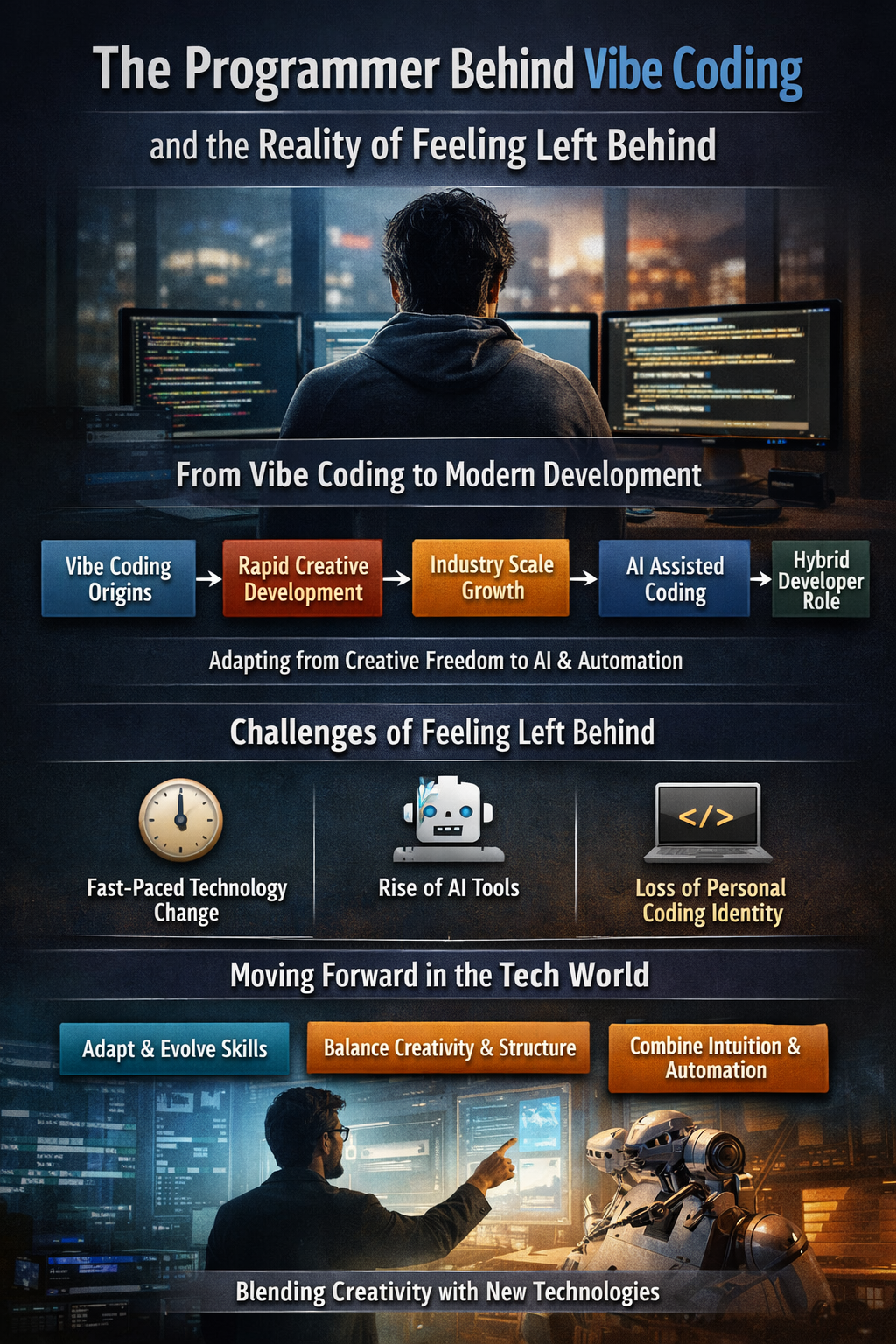
We are witnessing a shift in how software is built, shared, and valued. Vibe coding, a style that blends intuition, speed, and creative flow, emerged as a response to rigid development cycles. It promised freedom, rapid output, and a closer bond between the developer and the product. Yet the programmer credited with popularizing vibe coding has openly admitted to feeling left behind as the industry accelerates toward automation, AI assisted workflows, and large scale engineering systems.
This moment reflects more than a personal admission. It signals a broader transition in the programming world where individual creativity now competes with machine driven efficiency.
Who Built the Foundations of Vibe Coding
We recognize vibe coding as a philosophy rather than a framework. It grew from independent developers who valued momentum, experimentation, and emotional connection to code. The programmer behind this movement gained recognition for promoting fast builds, minimal planning, and trusting instinct over process.
Early success came from small teams and solo developers who shipped products quickly. Tutorials, demos, and community discussions amplified the idea that coding could feel natural and expressive instead of procedural. This approach influenced thousands of developers searching for meaning beyond tickets and sprint boards.
Why the Industry Moved Faster Than the Movement
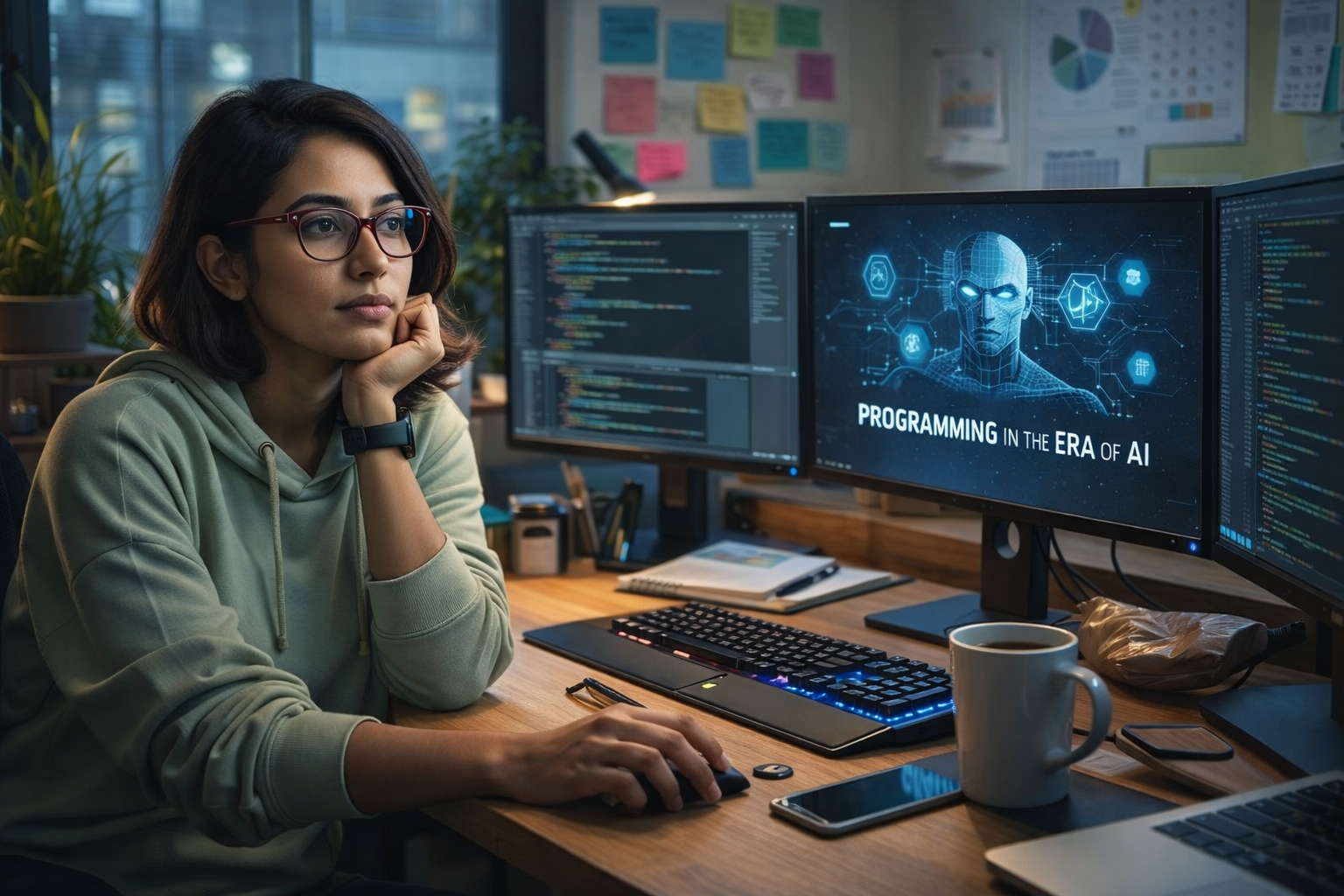
Software development no longer revolves around isolated creativity alone. We now operate in an environment shaped by AI copilots, automated testing, cloud native systems, and enterprise scale demands. While vibe coding thrives on speed and intuition, modern platforms prioritize consistency, security, and collaboration across massive teams.
The gap widened as tools evolved. Developers who once stood out for creativity found themselves competing with automated solutions that generate code instantly. The emotional reward of building by feel lost ground to measurable performance metrics.
Feeling Left Behind in an AI Driven Era
The admission of feeling left behind resonates with many experienced programmers. We see a pattern where early innovators struggle to adapt when their original advantage becomes mainstream or automated. AI tools now replicate patterns that once required years of intuition.
This does not imply irrelevance. It reveals a psychological shift. When identity is tied to a specific way of coding, rapid change can feel like displacement. The sense of mastery fades when tools abstract away hard won skills.
Read More: How TikTok Has Become the Go-To News Source for Young People
What This Means for Developers Today
We must understand that programming careers are no longer linear. Skills peak, evolve, and sometimes fade. Vibe coding still matters in prototyping, creative tooling, and indie products. However it now exists alongside structured engineering disciplines rather than above them.
Developers who adapt combine intuition with system thinking. They use AI as leverage instead of competition. Creativity shifts from writing every line to designing systems, validating ideas, and guiding automated output.
The Evolution From Individual Style to Hybrid Mastery
We see the future shaped by hybrid developers. These professionals blend creative instinct with architectural discipline. They understand when to move fast and when to slow down. Vibe coding becomes one tool in a larger toolkit.
The programmer behind vibe coding highlighted an important truth. No single style lasts forever. Relevance comes from evolution, not resistance.
Lessons for the Next Generation of Programmers
We can draw clear lessons from this transition.
First, adaptability defines longevity.
Second, identity should not rely on a single method.
Third, tools change but problem solving remains core.
New developers should learn both expressive coding and structured engineering. This balance creates resilience in a fast moving industry.
Read More: Study Finds 20% of Videos Shown to New YouTube Users Are AI
Where Vibe Coding Still Holds Power
We acknowledge that vibe coding is not obsolete. It thrives in early stage startups, creative applications, experimental tools, and solo projects. Speed and intuition still win when validation matters more than perfection.
The difference lies in context. We apply vibe coding strategically rather than universally.
A Broader Reflection on Progress in Tech
This story is not about failure. It is about transition. Every technological wave elevates some voices and quiets others. The programmer behind vibe coding sparked a mindset that influenced modern development culture.
We move forward by honoring that contribution while embracing new realities. Progress does not erase the past. It builds on it.
We stand at a point where creativity and automation coexist. Feeling left behind is a natural response to rapid change, not a final verdict on relevance. The future belongs to those who integrate intuition with evolving tools and remain open to reinvention.

77vipgame, huh? Sounds exclusive! Hope the payouts are VIP-level too. Worth a shot, right?. Check it out 77vipgame.