
 techworldalerts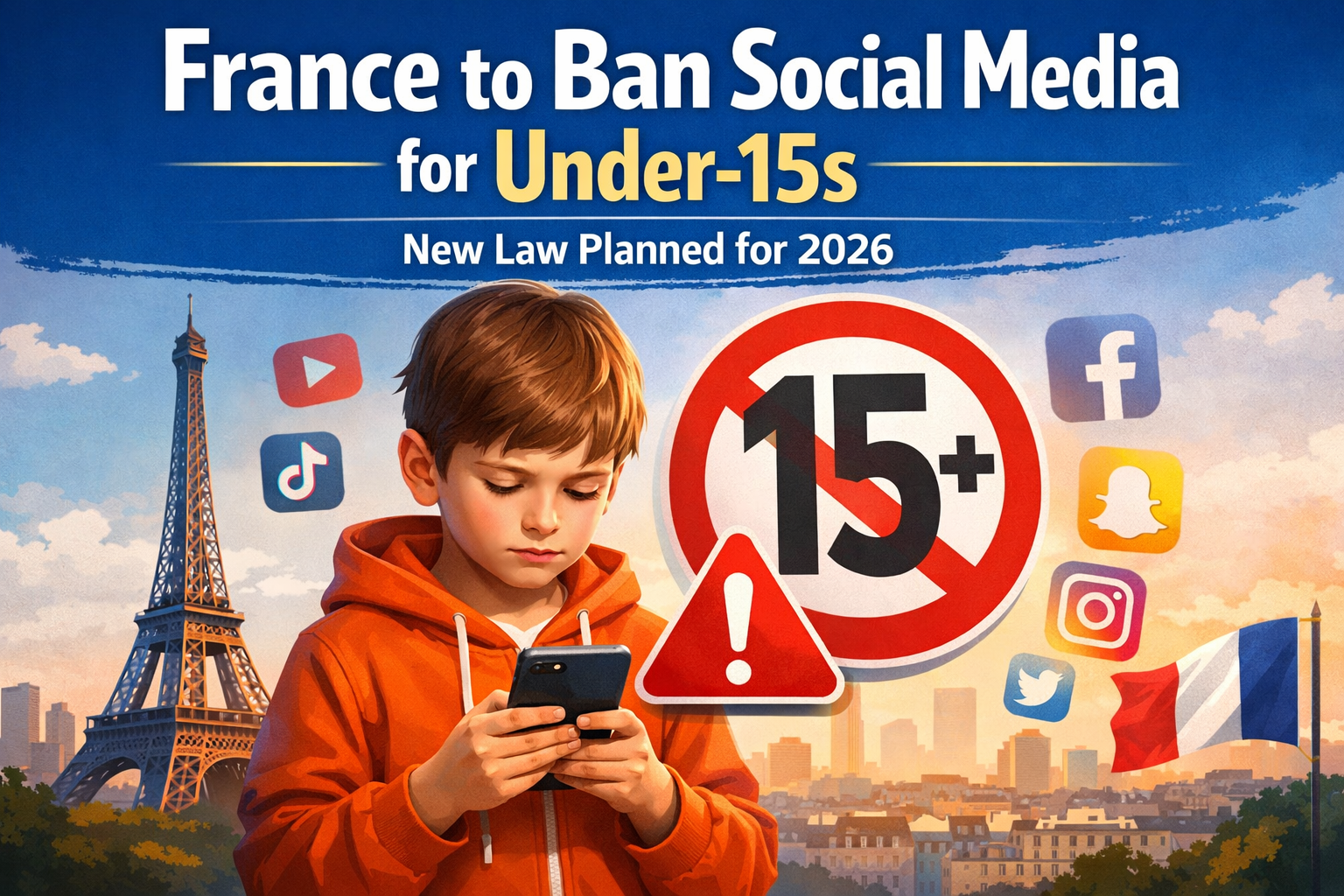
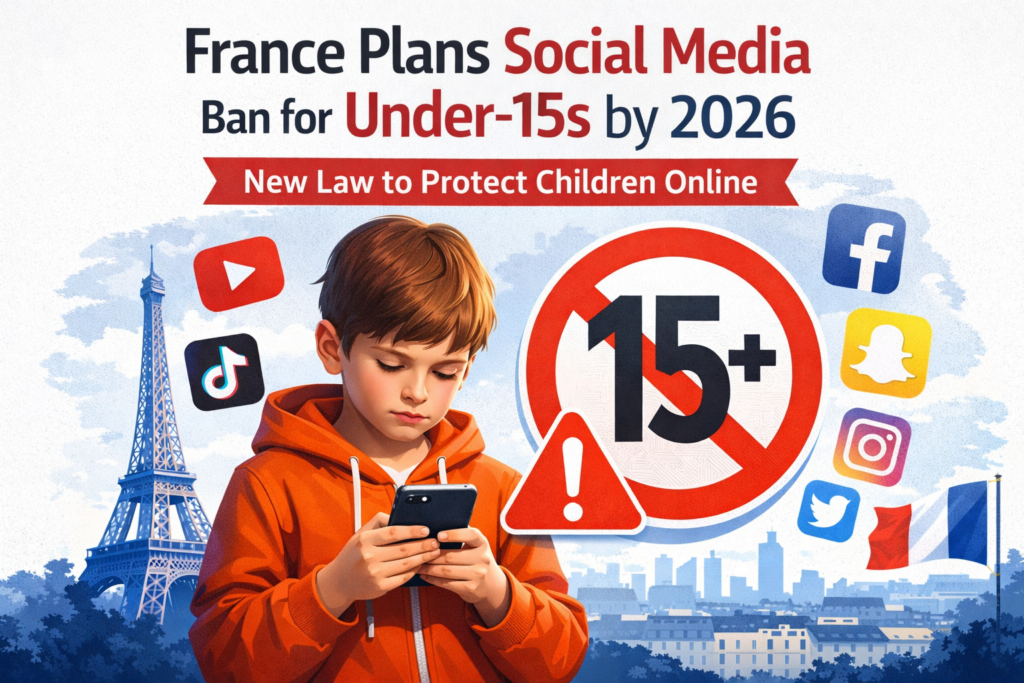
France is preparing to introduce one of the world’s strictest digital safety laws for minors. Under a proposed plan, children under the age of 15 would be banned from accessing social media platforms starting in 2026, as the government steps up efforts to protect young users from online harm.
The announcement reflects growing concerns across Europe about the impact of social media on children’s mental health, safety, and overall development.
Why France Is Taking This Step
According to French authorities, excessive social media use among children has been linked to several serious issues, including:
- Increased anxiety, depression, and sleep disorders
- Exposure to harmful or inappropriate content
- Cyberbullying and online harassment
- Addictive screen habits affecting learning and social behavior
President Emmanuel Macron has previously stated that protecting children in the digital age should be treated with the same seriousness as protecting them in the physical world.
What the Proposed Social Media Ban Includes
If approved, the law would introduce several major changes:
Social Media Access Restrictions
Children under 15 years of age would no longer be allowed to create or use accounts on social media platforms such as Instagram, TikTok, Snapchat, Facebook, and similar services.
Stronger Parental Controls
For teenagers above the minimum age, platforms may be required to implement robust parental consent and supervision tools, ensuring parents have more control over their children’s digital activity.
Mandatory Age Verification
Social media companies would be legally required to introduce reliable age-verification systems, rather than relying solely on self-reported birth dates.
When Will the Ban Take Effect?
The proposed timeline suggests:
- 2025–early 2026: Legal review and parliamentary debate
- Mid-2026: Final approval and platform preparation
- September 2026: Official implementation, aligned with the new school year
If passed, the law would apply nationwide across France.
Read More: How TikTok Has Become the Go-To News Source for Young People
How This Fits Into a Global Trend
France is not alone in tightening rules around children and social media. Governments worldwide are rethinking digital access for minors:
- Australia has already moved to restrict social media access for younger teens
- Several European countries are exploring stricter age limits and verification laws
- The European Union continues to push for stronger child-protection rules under digital services regulations
France’s proposal could set a precedent for other nations considering similar bans.
Challenges and Criticism
While many parents and child-safety advocates support the move, critics raise important concerns:
- Enforcement difficulties, especially across international platforms
- Privacy risks linked to age-verification technologies
- The possibility that children may still access platforms through unofficial or shared accounts
The government has acknowledged these concerns and says enforcement details will be refined before the law takes effect.
Read More: Snapchat Launches Imagine Lens with Text-to-Image AI
Final Thoughts
France’s planned social media ban for children under 15 marks a significant shift in how governments approach online child safety. If implemented successfully, it could reshape the responsibilities of social media platforms and redefine digital boundaries for young users.
As debates continue, one thing is clear: the conversation around children, technology, and mental health is entering a new and more regulated era.