
How TikTok Has Become the Go-To News Source for Young People
 techworldalerts
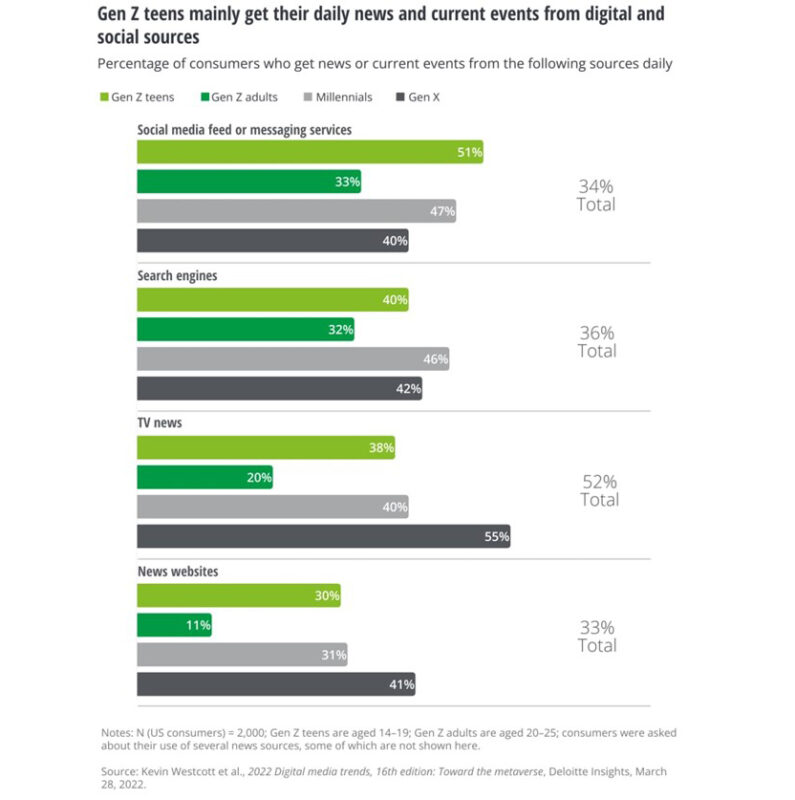
TikTok, originally known for short-form entertainment videos, has rapidly evolved into one of the most important places young people turn to for news and current events. Recent research shows a major shift in how Gen Z and younger adults consume information, with short video platforms now rivaling traditional outlets and even overtaking older social networks.
A New Kind of News Habit
According to surveys, a growing share of young adults regularly use TikTok to keep up with the latest headlines. In the U.S., around 43% of people under 30 say they get their news on TikTok, a dramatic increase from only 9% five years ago.
This puts TikTok ahead of platforms like YouTube and Instagram as a preferred source of news among this age group, a remarkable shift from the days when social media news was dominated by text links or news feeds.
Why Young People Prefer TikTok for News
Several factors help explain TikTok’s rise as a news source:
- Bite-Sized Content: Short, visually engaging videos make information easy to digest and share.
- Algorithmic Surfacing: TikTok’s recommendation engine quickly pushes trending topics to users’ feeds.
- Influencers & Creators: Many young people follow individual creators who break down complex issues in relatable, conversational ways, blurring the line between entertainment and journalism.
- Real-Time Updates: Users often post videos about major events as they unfold, offering immediate perspectives that traditional news might take longer to provide.
Beyond Entertainment to Information Exchange
While TikTok’s news role is clear, the platform isn’t just about politics or world headlines. Many creators share updates on social issues, community events, health tips, and educational snippets alongside trending memes and dances.
This blend of informative and entertaining content resonates strongly with younger generations, who prefer formats that feel authentic and personalized.
Balancing Influence and Responsibility
TikTok’s rise as a news platform also raises important questions about accuracy and trust. Unlike traditional news outlets that follow editorial standards, social media content varies widely in credibility. Some studies have highlighted concerns that short video platforms can accelerate the spread of misinformation, meaning users need to be critical about what they watch and share.
At the same time, prominent media organizations and journalists have increasingly embraced TikTok as a way to reach younger audiences, adapting their reporting styles to fit the fast-paced, visual nature of short video content.
The Future of News Consumption
As TikTok continues to grow, its role in shaping how young people engage with global events is likely to deepen. Whether it’s through independent creators, news organizations experimenting with new formats, or users sharing eyewitness updates, TikTok has reshaped the news landscape for a generation raised on mobile video.