
BNB Rises to $841 as Binance’s CZ Warns of Growing Wallet Scam Threats
 techworldalerts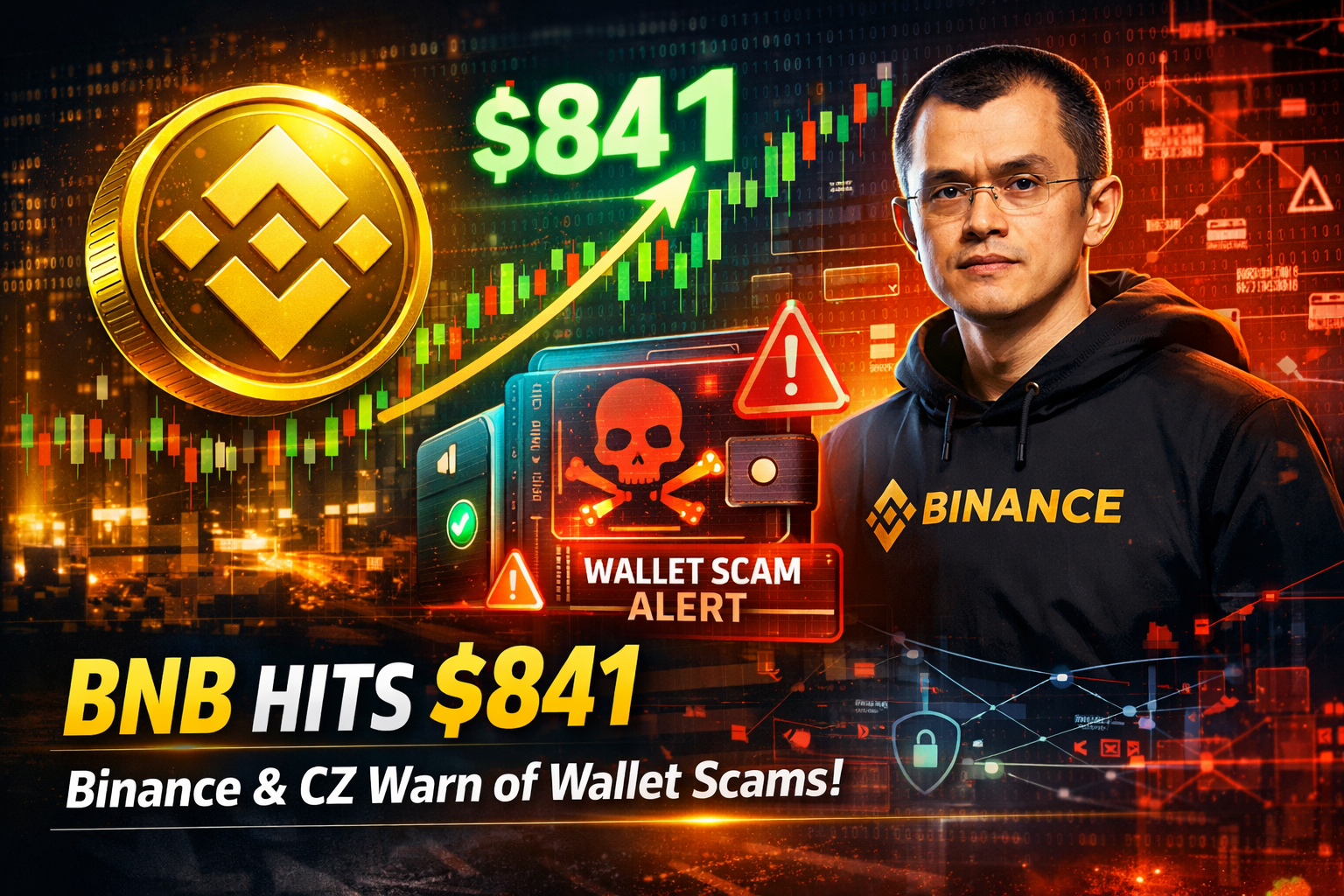
BNB climbed to around $841 despite wider market uncertainty, supported by renewed investor confidence and Binance’s latest security initiatives. The move comes as Changpeng Zhao (CZ) revealed new defenses aimed at stopping a rapidly growing crypto wallet scam known as address poisoning.
What Is Driving BNB’s Price Increase?
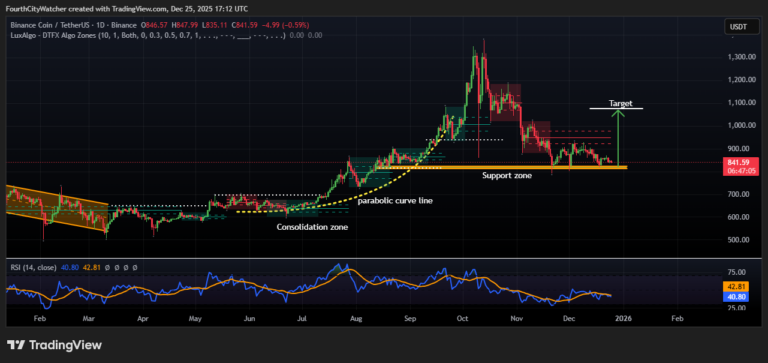
BNB’s modest rise reflects strong technical support between $820 and $850, a zone traders are closely monitoring. After pulling back from earlier highs, buyers have stepped in, preventing deeper losses.
Key factors supporting BNB:
- Stable demand within the Binance ecosystem
- Reduced selling pressure near key support levels
- Positive sentiment around Binance’s proactive security stance
While the broader crypto market remains volatile, BNB’s ability to hold above support suggests short-term resilience rather than a full trend reversal.
What Is Address Poisoning in Crypto?
Address poisoning is a deceptive scam where attackers send tiny transactions to a victim’s wallet. These transactions insert fake or look-alike addresses into the wallet’s transaction history.
When users later copy an address from past transactions, they may accidentally send funds to the scammer instead of the intended recipient.
Why it’s dangerous:
- Fake addresses often mimic the first and last characters of real ones
- Many users don’t verify the full wallet address
- Losses are usually irreversible
CZ’s New Anti-Scam Measures Explained
CZ disclosed that Binance has already identified millions of suspicious addresses using internal detection systems. He emphasized the need for smarter wallet-level protection.
Binance’s Proposed Defenses
- Automated detection of poisoned addresses
- Blacklisting known scam wallets
- Warnings before sending funds to suspicious addresses
- Hiding low-value spam transactions that clutter wallet histories
These steps aim to stop scams before users make irreversible mistakes, rather than relying on education alone.
Why Wallet Scams Are Increasing
Crypto scams are evolving as adoption grows. Address poisoning is particularly effective because it:
- Exploits normal user behavior (copy-paste)
- Requires no direct interaction with the victim
- Works across multiple blockchains
Security experts warn that wallet UI design now plays a critical role in preventing fraud.
What This Means for Crypto Users
If you use crypto wallets regularly:
- Never copy addresses blindly from transaction history
- Verify the full wallet address every time
- Use wallets with built-in scam detection and warnings
- Ignore small, unknown incoming transactions
As scams grow more sophisticated, user awareness and wallet-level protections are becoming essential.
Market Outlook for BNB
BNB’s short-term outlook depends on:
- Holding the $820–$850 support range
- Overall crypto market sentiment
- Continued trust in Binance’s security leadership
A break below support could trigger further downside, while sustained strength above it may allow BNB to retest higher levels.
BNB’s rise to $841 highlights market confidence amid increased security concerns. Binance’s push to combat wallet scams signals a broader shift toward proactive user protection, a move that could strengthen trust across the crypto ecosystem.
As wallet scams grow more advanced, prevention, not reaction, is becoming the new standard in crypto security.
Frequently Asked Questions
What is address poisoning in crypto?
A scam where attackers insert fake wallet addresses into transaction history to trick users into sending funds.
Why is BNB going up today?
BNB is holding key support levels and benefiting from positive sentiment around Binance’s security efforts.
How can users avoid wallet scams?
Always verify full wallet addresses, ignore small unknown transfers, and use wallets with scam detection.